

Treatable Infectious Medical Waste
Comprehensive coverage across clinical, diagnostic, surgical, and laboratory streams
Health-care facilities generate a broad spectrum of infectious waste across clinical, diagnostic, surgical, and laboratory services. Effective treatment and disposal are critical to preventing health-care–associated infections, protecting staff, and ensuring environmental compliance. A robust segregation and treatment workflow — supported by certified onsite technology — keeps operations compliant, safe, and cost-efficient.
Our advanced Frictional Heat Treatment (FHT) systems are engineered to process the full range of treatable infectious medical waste, converting contaminated materials into a sterile, inert, and legally compliant output suitable for disposal as non-hazardous waste.
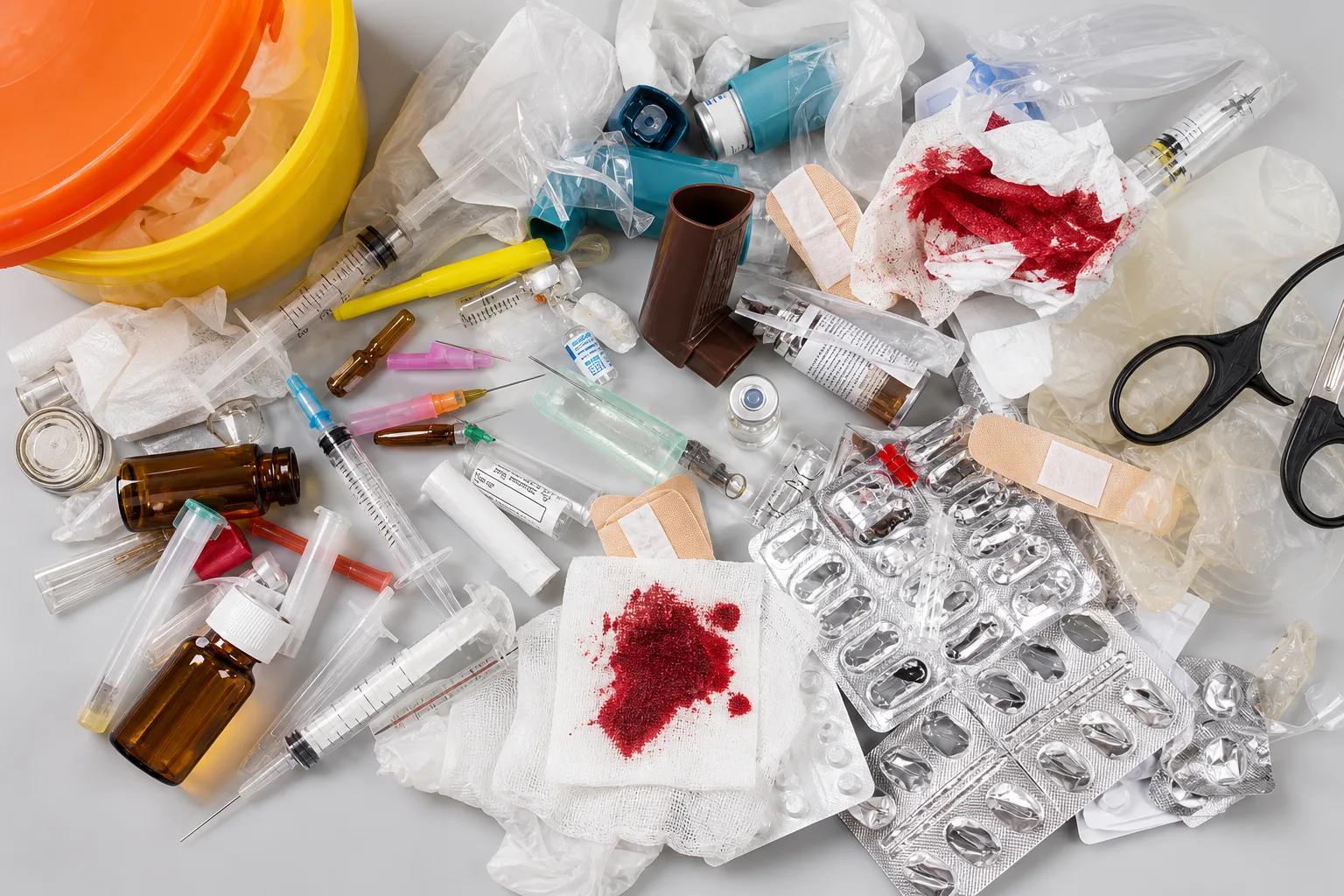
Unmanaged Infectious Waste
Overflowing biohazard bags, contaminated sharps, and mixed infectious waste create serious cross-contamination risks and compliance violations.
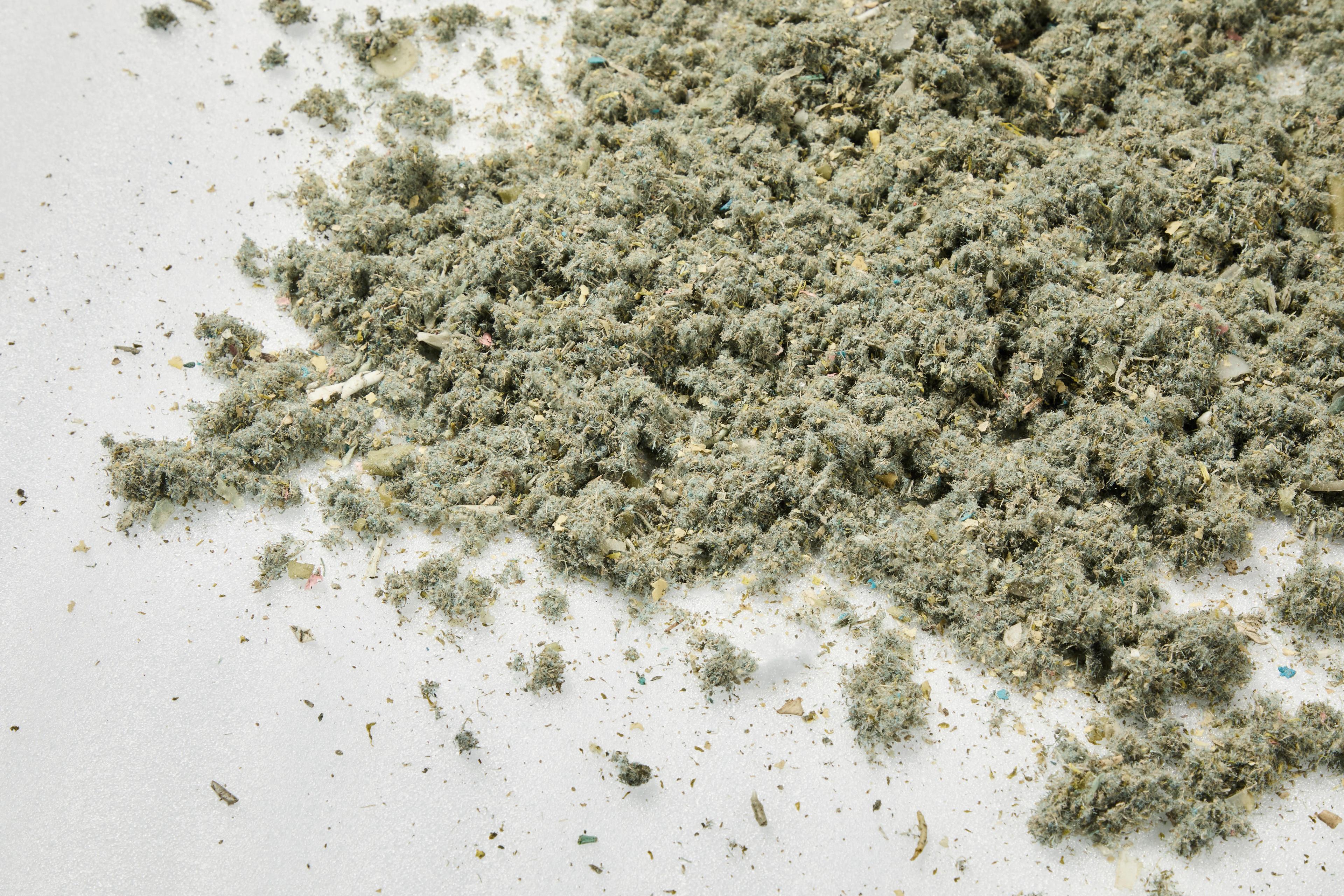
Sterile, Safe Residue
FHT converts all treatable waste into dry, sterile, unrecognizable grey residue — fully compliant for disposal as non-hazardous municipal solid waste or renewable energy.
General Infectious Waste
- Surgical drapes, gauzes, compresses, bandages
- Disposable PPE: gloves, gowns, masks, caps, shoe covers
- Single-use care kits and surgical instruments
- Plastic and glass consumables: test tubes, pipettes, Petri dishes
- Hemodialysis circuit components
- Filters and tubing from various medical devices
Sharps (after proper collection)
- Needles, syringes
- Scalpels, blades, lancets
- Slides and micro-instrumentation
Pathological & Clinical Residues
- Non-recognizable biological materials (per local regulation)
- Small body parts and dental fragments
Laboratory Waste
- Culture media
- Nutrient plates
- Sampling materials
- Plastic and glass laboratory disposables
Pharmaceutical & Bioprocess Waste
- Expired vaccines
- Non-conforming batches intended for destruction
- Biopharmaceutical processing consumables
Other Treatable Materials
- Sanitary towels and nappies
- Catheters and drainage tubing
- Dialysis filters and blood-circulation circuit components
- Transfusion bags, urine and stoma-care bags, nutrition bags
- Plastic films, bottles, containers, cardboard packaging
- Adhesives, bandages, disposable staplers, mirrors and brushes
- Food residues (non-liquid)
Non-Treatable Materials
The following materials cannot be processed by FHT systems
- Radioactive materials
- Flammable or explosive compounds
- Stones, wood, or other non-medical inert solids